Key takeaways
- Understanding stainless steel pipe grades is essential for long-term system reliability, compliance and water quality.
- 304 stainless steel is widely available and suitable for general water, HVAC and standard industrial applications. But it’s less resistant in coastal or chemically aggressive conditions.
- 316 stainless steel offers superior corrosion resistance, which makes it suitable for coastal, chemical and high-pressure industrial systems, though it comes at a higher material cost.
- 316L stainless steel minimises corrosion at joins, works seamlessly with press-fit systems, and is preferred for potable water, fire-rated and food-grade applications.
- Choosing the wrong grade can lead to corrosion, leaks, compromised water quality, higher maintenance and compliance issues.
- Ibex’s technical team can help you select the right grade and system, ensuring secure, compliant, low-maintenance installations that perform reliably for years.
Choosing the right stainless steel pipe isn’t just about picking a strong, durable material. It’s all about matching the pipe to the conditions it will face. Coastal environments, high-pressure systems, food-grade water or chemical applications all demand different performance standards.
For engineers, contractors and specifiers, understanding stainless steel pipe grades is critical for getting it right the first time. We’re here to help you choose with confidence by breaking down the most common grades, explaining where each performs best, and showing how selecting the right material can keep your system reliable, safe and low-maintenance for years to come.
What are stainless steel pipe grades?
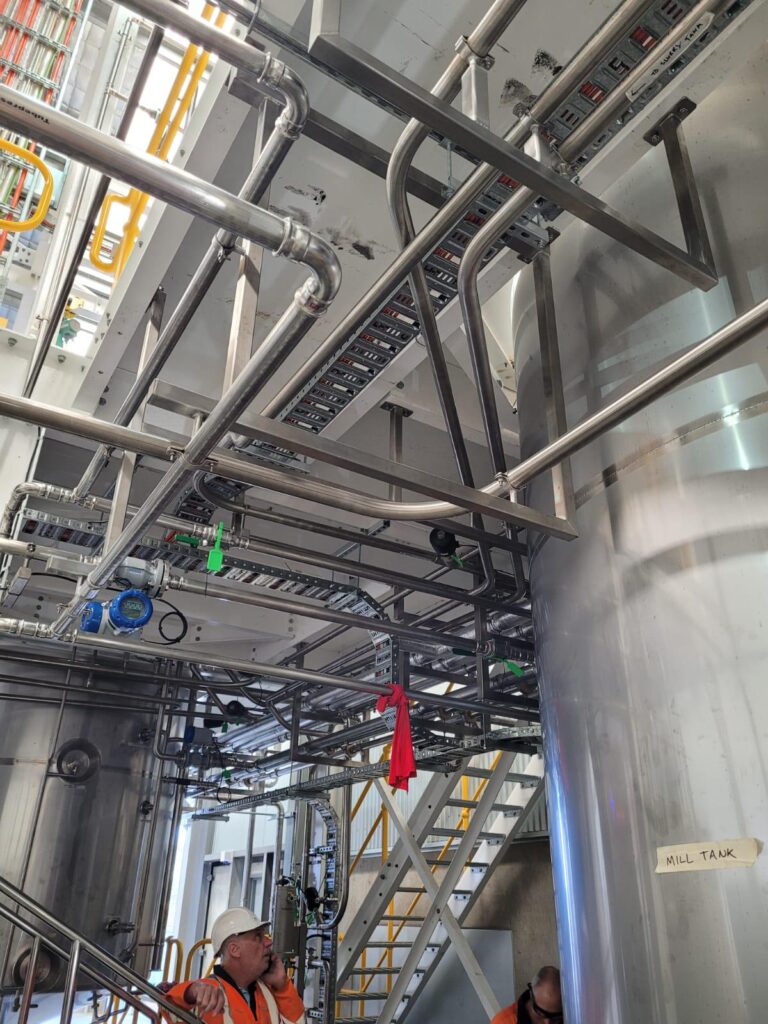
Stainless steel pipe grades are classifications that indicate the material’s chemical composition, strength and corrosion resistance. Each grade performs differently under certain conditions. That’s why choosing the right grade is essential for safety, compliance and longevity.
Think of it like this. Some grades thrive in aggressive chemical environments, coastal areas with salty air, or high-pressure industrial systems. While others are better suited for general water, HVAC or general commercial applications. Choosing the right grade ensures your system stays reliable, corrosion-free and maintenance-light for years to come.
Understanding common grades in plain terms
Let’s now take a closer look at the most commonly used stainless steel pipe grades and where they’re typically applied in commercial, industrial and plumbing systems.
304 stainless steel
- Composition: High chromium and nickel content
- Applications: General water systems, HVAC and standard industrial use
Pros
- Excellent corrosion resistance in everyday environments, which makes it a dependable choice for most industrial uses.
- Reliable, widely available and cost-effective, making sourcing and planning straightforward for typical projects.
Limitations
- Less resilient in coastal or high-chloride conditions, so it’s not ideal for seaside or marine environments.
- Not suitable for acidic or chemically aggressive water, which can limit its use in certain industrial settings.
316 stainless steel
- Composition: Higher nickel content plus molybdenum
- Applications: Coastal buildings, food-grade systems, chemical and industrial water systems
Pros
- Resistance to chlorides, chemicals and other challenging conditions, perfect for industrial or coastal projects.
- Handles high pressure and demanding environments reliably, giving engineers confidence in long-term system performance.
Limitations
- Material cost is higher than 304, so upfront budgets need to account for the premium.
- Proper installation and compatible fittings are crucial to maintain its corrosion resistance and performance over time.
316L stainless steel
- Composition: Low-carbon version of 316
- Applications: Potable water, compressed air, fire-rated systems and food processing
Pros
- Minimises corrosion risk at welded or joined connections.
- Extremely durable with minimal maintenance, delivering consistent performance for many years ahead.
- Material included in the Watermark-approved list.
- Works seamlessly with press-fit systems, helping to make installation faster, safer, and more reliable for contractors and installers.
Limitations
- Slightly lower tensile strength than standard 316, though still more than adequate for most commercial and industrial applications.
Why grade selection matters in piping systems
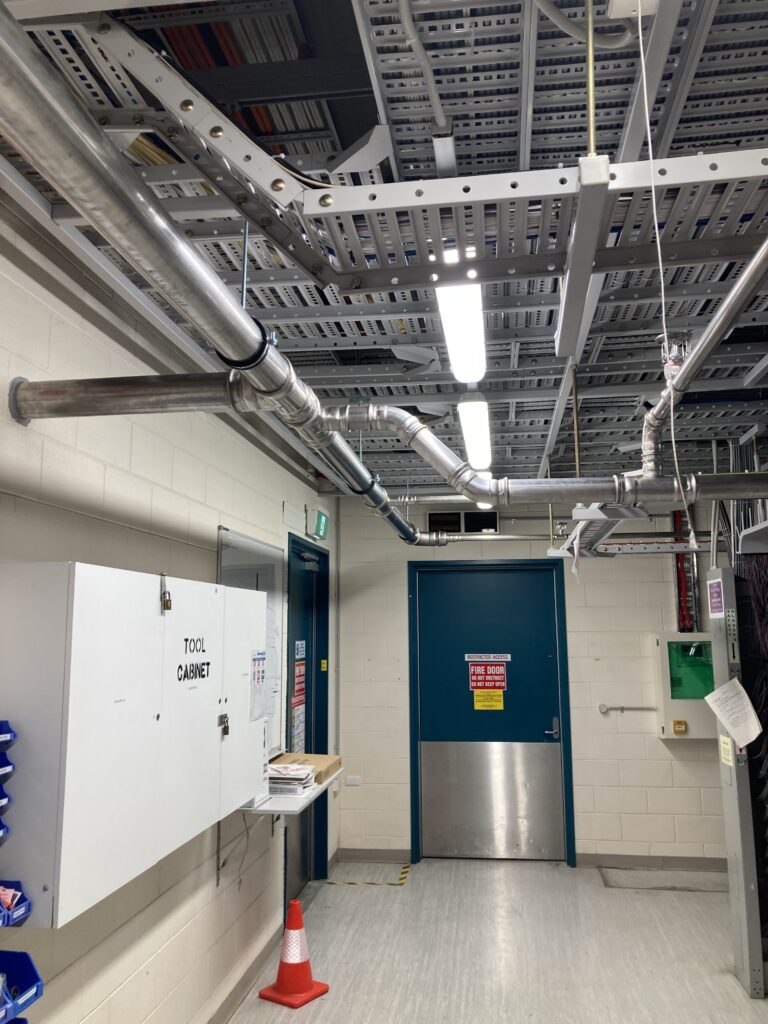
Alright, so you’re up to speed on the main stainless steel pipe grades. It should be easier now to see why picking the right one can make or break your system. The wrong choice can cause major headaches down the line, and these can include:
- Premature corrosion or pitting: Using 304 stainless steel in a coastal building, for example, can lead to chloride-induced pitting over time. Similarly, applying a lower-grade pipe in high-pressure or chemically aggressive systems can create weak spots and eventual leaks.
- Compromised water quality: Using 304 stainless steel in high-chloride or chemically aggressive water systems can leach ions into the water, affecting taste, safety and compliance for potable applications.
- Higher maintenance and replacement costs: Installing a lower-grade or ill-suited pipe, like poly in a high-pressure industrial system, can lead to early failures. This can lead to unplanned downtime, extra labour and ballooning replacement costs.
- Regulatory issues: Selecting the wrong grade for a fire-rated or food-grade system, for instance, can result in non-compliance with Australian Standards, WHS regulations or fire safety codes. This can quickly create costly rework, not to mention potential legal headaches as well.
Pick the right grade, however, and you get the opposite:
- Long-lasting, low-maintenance installations: Choosing the correct stainless steel grade means your pipes stay strong, corrosion-free, and reliable for years. That translates to fewer call-backs, less unplanned maintenance, and more time on other parts of the project.
- Compliance made simple: With the right grade, you can tick all the boxes for Australian Standards, WHS and fire codes without guesswork or added stress. Every joint, every section of pipe meets the rules, so inspections and approvals are straightforward.
- Peace of mind under pressure: Proper grade selection ensures your system can handle high pressures, temperature swings or harsh environmental conditions without risk. You know your water or HVAC system will perform safely and consistently, project after project.
How Ibex helps you choose the right grade
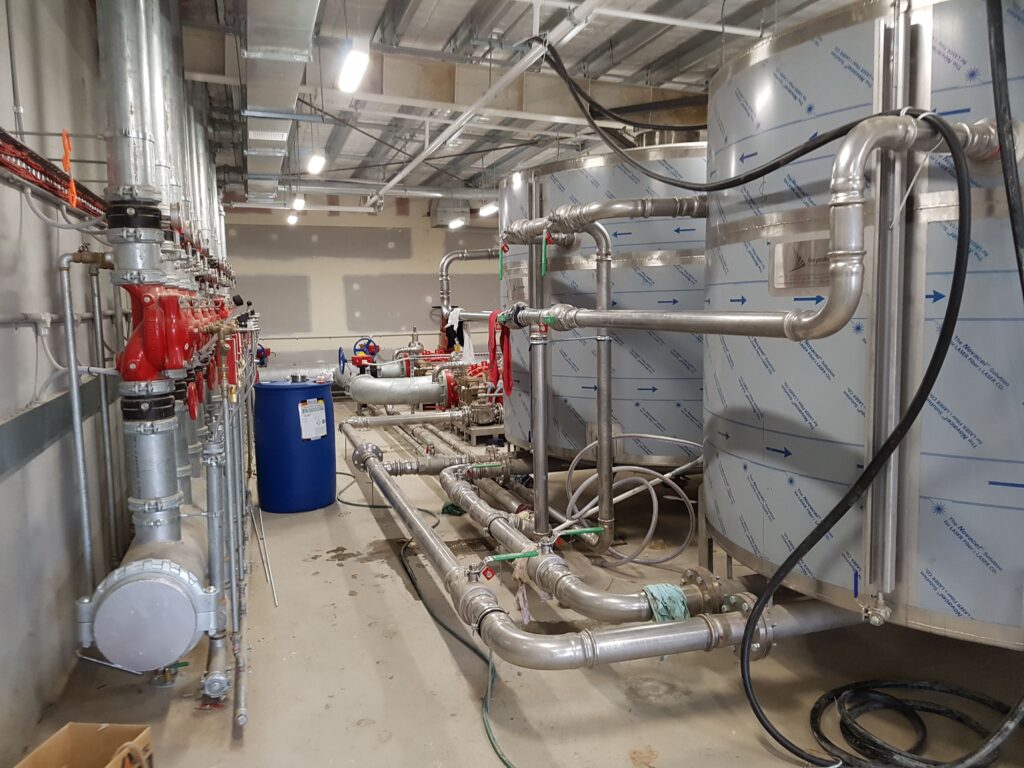
Understanding the impact of choosing the right stainless steel grade is one thing. Putting that knowledge into practice is another. And that’s where our technical team at Ibex can help, guiding engineers, specifiers and contractors to select and specify the system that’s right for each project. Here’s how we can help:
- Premium materials: Every press-fit system uses 316L stainless steel, giving you unmatched corrosion resistance, durability and long-term reliability.
- Certified suppliers: All our materials are fully traceable and certified for commercial and industrial applications, so you can specify with full confidence.
- Precision engineering: Ibex press-fit fittings create secure, leak-free joints every time, saving labour, reducing risk on site, and keeping your projects on schedule.
- Expert guidance: Our technical team works alongside engineers, specifiers and contractors to help select the right grade and system for each project. This ensures compliance with Australian Standards, WHS and fire codes.
Make your next stainless steel project easy with Ibex
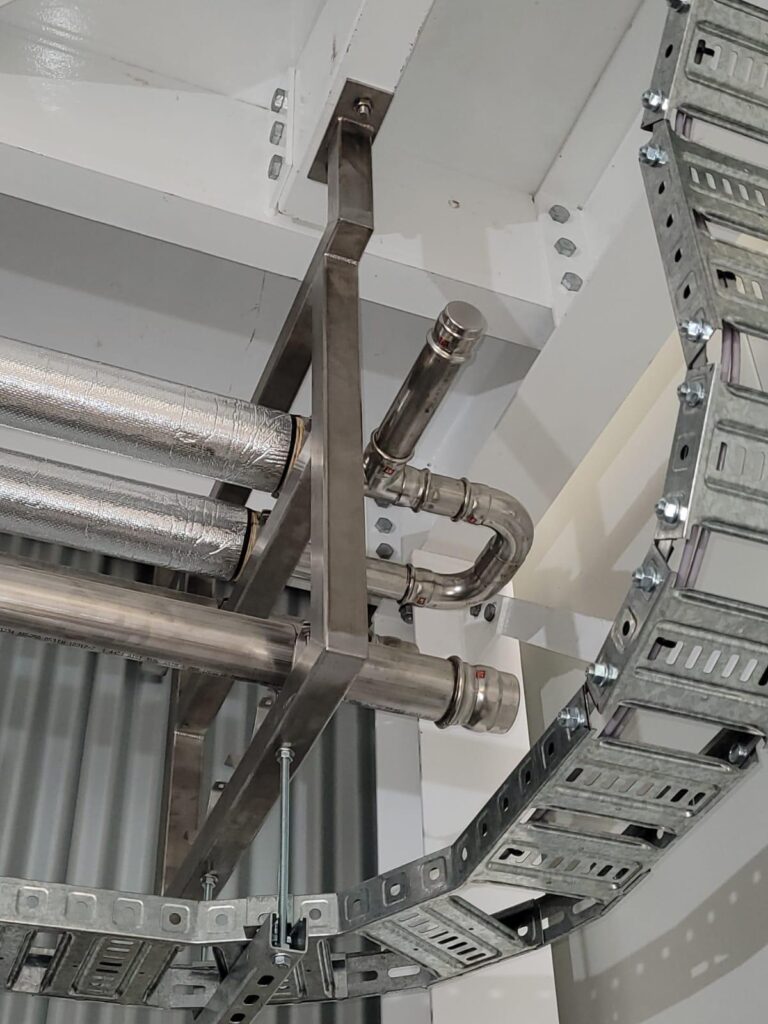
Choosing the right stainless steel grade is only the first step. At Ibex Australia, we make sure your systems are specified, installed, and performing exactly as they should.
From 316L press-fit piping to certified materials and precision-engineered fittings, we provide everything you need for reliable, compliant and low-maintenance installations. Our technical team works directly with engineers, specifiers and contractors to guide grade selection, system design and on-site installation. This helps you keep your projects on schedule and under budget.
So simplify your next commercial, industrial or plumbing project with Ibex. Reach out today for expert advice, tailored solutions and stainless steel systems you can trust to last.
Frequently asked questions
- Can I use the same stainless steel grade for potable water and industrial systems?
Not always. Grades like 304 work well, but industrial systems often need higher resistance to chemicals, pressure, or coastal conditions. Using the correct grade for each application ensures safety, compliance, and long-term performance.
- How does welding or joining affect the performance of stainless steel pipes?
Welding can introduce corrosion risks if the grade or procedure isn’t suited for the system. Low-carbon grades like 316L minimise this risk, which is why they are preferred for press-fit or welded installations.
- Are there significant cost differences between stainless steel grades?
Yes. Higher-grade pipes like 316 or 316L typically cost more than 304. But they offer better corrosion resistance, longer lifespan and reduced maintenance, making them more cost-effective over time in demanding applications.
- How do I know which stainless steel grade is right for my project?
The right grade depends on the environment, water chemistry, temperature and pressure of your system. Working with a technical team, like Ibex’s, helps ensure the correct material choice, fittings and installation method for reliable performance.