Key takeaways
- Choosing the right piping material impacts water quality, system reliability, and long-term costs.
- Copper is proven but can corrode, forming copper oxide in aggressive water and requires skilled, labour-intensive installation.
- Poly pipes are lightweight, flexible, and have a low-cost upfront, but have limitations with temperature, pressure, and durability.
- Stainless steel delivers exceptional durability, hygiene, and long-term reliability, making it perfect for commercial, industrial, and food-grade systems.
- Press-fit stainless steel systems combine the strength of stainless steel with fast, safe, and compliant installation, reducing labour, risk, and downtime.
- Investing in the right system upfront saves maintenance headaches, avoids unexpected replacements, and ensures safe, clean water for years.
When it comes to a commercial water system, the pipes you choose aren’t just a technical detail. They’re a long-term investment in safe drinking water, reliability, safety and smooth, trouble-free performance.
But with so many materials on the market, from copper to poly to stainless steel, it can be tricky to figure out what’s genuinely the best piping for water in your specific application.
This detailed guide takes the guesswork out for you. No matter if you’re a plumber, contractor, engineer, or project manager, keep reading for a clear comparison of the most common piping options. We’ll break down how they perform, what they cost, where they work best, and where they fall short.
What makes a good water piping system?
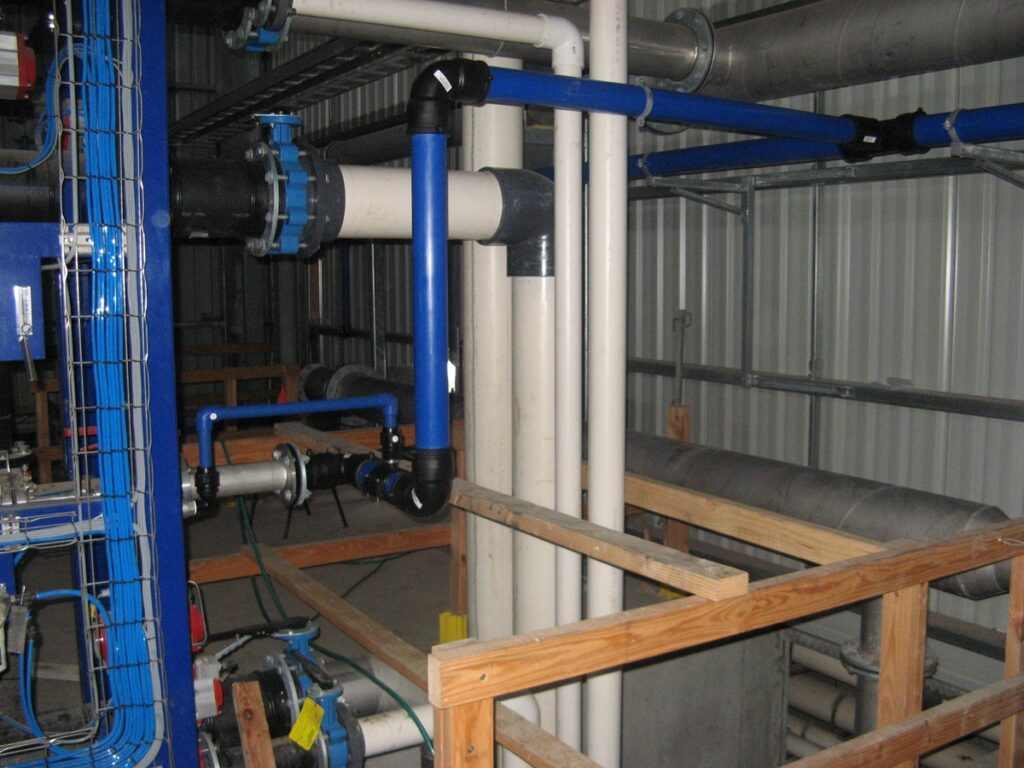
Before diving into the most common pipe materials, it’s worth thinking about what makes a water system actually work well. For plumbers, installers and specifiers, a great system should tick these boxes:
- Clean, safe water
A high-quality system keeps potable water fresh and uncontaminated. That means using materials that are hygienic, non-reactive, and corrosion-resistant.
For plumbers, installers and specifiers, this ensures water remains safe for drinking, food-grade applications, and everyday use. Ibex stainless steel tubing is WaterMark-approved, giving you extra confidence in compliance and safety for every installation.
- Built to last
Water systems are constantly under stress, from pressure changes and temperature swings to exposure to chemicals or harsh environments. A durable water system can handle it all. It resists corrosion, cracking, and wear, keeping its strength for years and helping you avoid costly leaks or breakdowns.
- Low maintenance
The best water systems make life easier because they don’t demand constant upkeep. Pipes that resist buildup and wear mean fewer problems, fewer surprise repairs, and more peace of mind. You get a system that quietly just does its job in the background day in and day out.
- Easy and safe to install
A good water system should make life on-site simpler. Pipes that are lightweight, easy to handle, and quick to join save time, reduce mistakes, and lower safety risks. When installation is straightforward and compliant with standards, contractors can work faster and keep projects on schedule.
The best piping for water: A clear comparison of your options
Knowing what makes a good water piping system, let’s now take a closer look at the different types of pipes. Each material has its strengths and limitations, and understanding them can help you choose the best piping for water in your next project.
Copper pipe systems
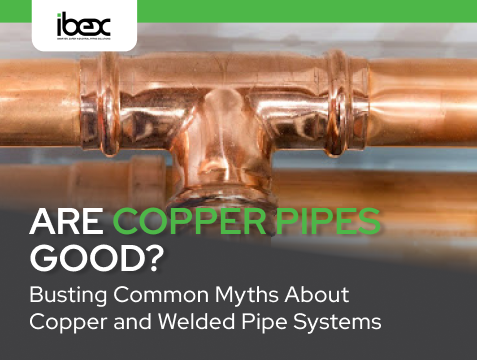
Copper has been a common choice for potable water for decades. It’s widely available, familiar to most plumbers, and performs reliably in standard residential and commercial applications. It handles hot water well and can last for many years if installed and maintained properly.
Pros
- Proven reliability: Copper has been used extensively across residential and commercial projects.
- High-temperature tolerance: Suitable for hot water systems, copper maintains its integrity under heat, making it a go-to for hot water distribution.
- Recyclable: Copper can be reclaimed and reused at the end of its life.
Cons
- High Cost: Copper prices are high and are tied to global markets, which spike unpredictably, massively affecting project budgets.
- Risk of theft: Copper’s high scrap value makes it a target for theft on construction sites, creating security concerns and potential project delays.
- Labour-intensive installation: Soldering, brazing or welding requires skilled labour and introduces fire risk. This can slow projects and increase costs.
- Corrosion sensitivity: In aggressive water conditions, copper can leach ions, affecting taste and system longevity. Copper oxides can form in the pipe; these oxides are dangerous and can be detrimental to good health
- Weight and handling: Copper is heavier than poly. This can make transport and installation much more cumbersome, particularly on large commercial projects. Copper is a softer material than stainless steel, and velocities need to be kept low to prevent erosion/corrosion
Bottom line
Copper remains a reliable choice for small-scale or traditional builds where installers are familiar with it and water conditions are non-aggressive.
However, for larger, high-demand commercial projects, its labour requirements, handling challenges and corrosion risks make it less attractive compared to modern alternatives.
Poly pipe systems
Polyethene (PE) or cross-linked polyethene (PEX) piping has grown in popularity thanks to its low cost and ease of installation. It’s lightweight, flexible, and easy to work with, which makes it appealing for smaller residential projects or retrofit jobs in tight spaces.
Pros
- Lightweight and flexible: Easy to transport and install.
- Corrosion-resistant: Won’t rust, pit, or develop scale, so water stays clean, and systems remain efficient over time.
- Cost-effective upfront: Materials are inexpensive, and installation requires less labour (except for fusion welding)
Cons
- Limited temperature and pressure tolerance: Poly pipes can soften or deform under high heat or pressure. This makes them unsuitable for industrial hot water or high-pressure systems.
- Chemical permeability: Certain chemicals can permeate the pipe, potentially affecting water quality and the pipe’s structural integrity.
- Durability challenges: Lightweight construction means pipes are easier to puncture, kink, or damage during handling and installation.
- Shorter service life: Poly is more vulnerable to UV exposure and long-term wear, which can lead to more frequent replacements compared to metal alternatives.
Bottom line
Poly piping works well for smaller-scale residential installs or where cost and ease of handling are priorities. For larger commercial or industrial projects that demand high pressure, durability and long-term reliability, other materials are generally better suited.
Stainless steel pipe systems
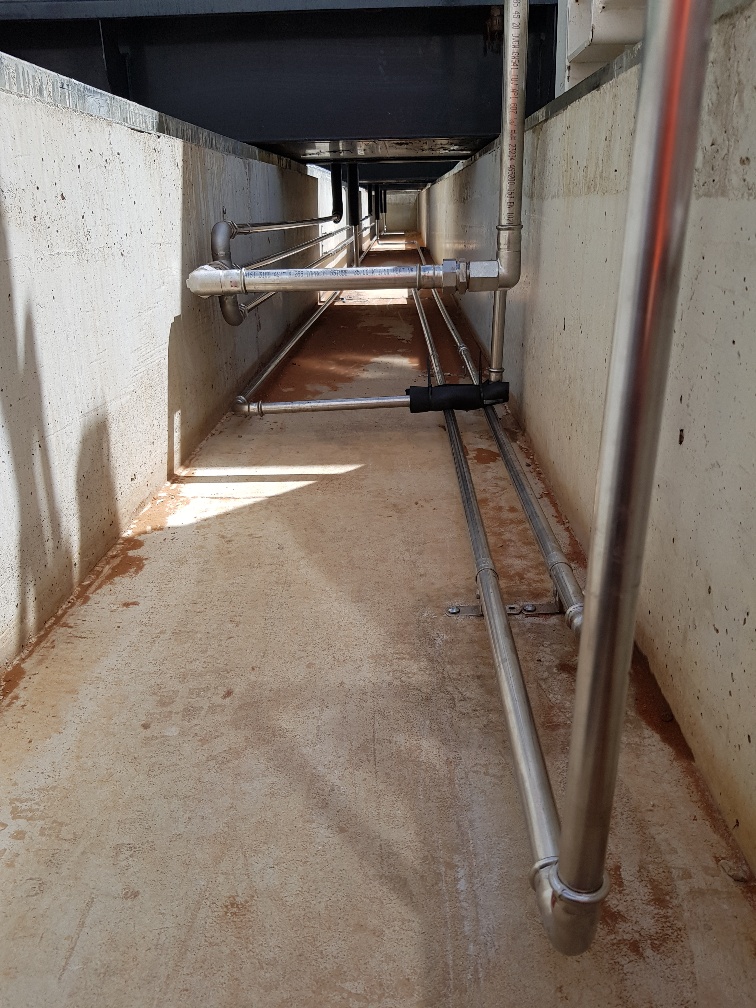
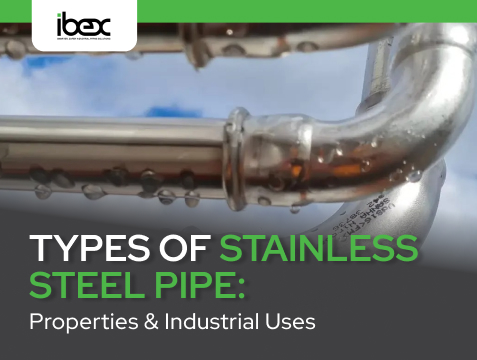
Stainless steel is quickly becoming the go-to choice for water systems in commercial, industrial, and food-grade applications. Its combination of strength, hygiene, and long-term reliability makes it stand out from copper or poly. This is especially true for projects where performance and safety can’t be compromised.
Pros
- Cost-effective: Stainless steel is cheaper compared to copper.
- Exceptional durability: Withstands high pressure, high velocities, coastal environments, and chemically aggressive conditions without corroding or weakening over time.
- Hygienic and non-reactive: Maintains water quality and is excellent for potable water, food processing, and any application where cleanliness matters.
- Fire and heat resistant: Naturally non-combustible, stainless steel meets fire safety regulations and building codes, giving you peace of mind on site.
- Sustainable and recyclable: Stainless steel can be fully recycled, which makes it a responsible choice for environmentally conscious projects.
- Suitable for more applications than copper or poly
Cons
- Higher initial cost compared to poly: Material expenses are higher than poly. But this is offset by reduced maintenance, longer service life, and reliability.
- Application limitations: Not suited to some chemicals or high chloride applications
Bottom line
When installed correctly, stainless steel offers unmatched long-term value, reliability, and safety. It’s the system that professionals trust to deliver consistent performance, even in demanding commercial and industrial environments.
Comparison table: Copper vs. poly vs. stainless steel
To wrap up our material comparison, here’s a quick overview of how copper, poly, and stainless steel stack up across the features that matter most. This table highlights the strengths, limitations and long-term impact of each option, so you can make a confident choice for your next water system project.
| Feature | Copper | Poly | Stainless steel |
| Durability | High: solid and reliable, but can corrode in aggressive water conditions. | Moderate: resistant to rust but can degrade over time under heat, pressure or UV exposure. | Very high: corrosion-resistant, withstands high pressure, chemicals and harsh environments. |
| Hygiene | Generally safe, but copper can leach ions in aggressive water, affecting taste and purity. | Non-reactive: maintains water quality, but chemical permeability may be a concern. | Non-reactive and hygienic: ideal for potable water, food processing, and sensitive applications. |
| Temperature & pressure tolerance | Medium: suitable for hot water, but extreme conditions can accelerate wear. | Moderate: not ideal for high-temperature hot water or high-pressure systems. | High: suitable for industrial, commercial, and high-demand applications. |
| Installation | Soldering or welding required. Skilled labour and fire precautions are needed. | Flexible & lightweight. Specialist fusion welding equipment may be needed | Lightweight, durable: installation is straightforward, safe and versatile (details on press-fit explained next). |
| Maintenance | Moderate: occasional checks and repairs may be required. | Moderate: may need early replacement or repairs if damaged. | Low: long-term reliability, minimal maintenance, fewer replacements. |
| Lifecycle cost | High up-front: stable performance, but installation and maintenance costs add up. | Low upfront cost but higher replacement and maintenance costs over time. | Medium upfront: stable performance, low long-term maintenance and exceptional durability. |
Why press-fit systems are the smarter, safer way to build
Choosing stainless steel is one thing, but installing it efficiently is another. That’s where press-fit technology changes the game.
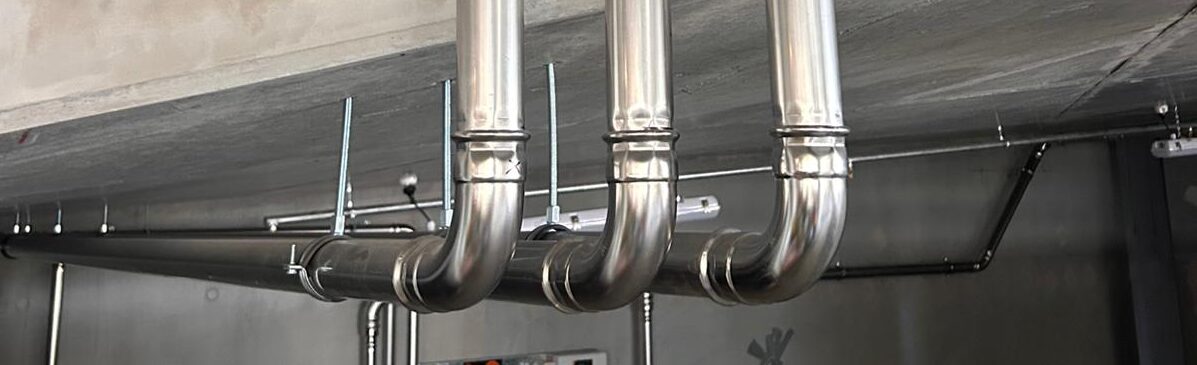
Instead of using heat, solder, or welding, press-fit systems use precision-engineered fittings that are mechanically pressed onto the pipe using a specialised tool that most plumbers & mechanical contractors have. In just seconds, each connection becomes completely watertight. What does that look like for you? No open flames, no flux, and no waiting around for joints to cool.
In practice, that means plumbers, contractors, and engineers get the job done faster, avoid delays, and deliver safer, more consistent results. It’s basically everything stainless steel should be, just without the traditional drawbacks.
The benefits you can see on every job
Installing a press-fit system isn’t just faster. It makes every step on-site smoother. From the first joint to the last, you get reliability, safety, and efficiency all the way through. Here’s what that looks like in practice:
- Faster, safer installation: With no hot works, solder, or welding required, fire hazards drop, timelines shrink, and site compliance becomes much easier to manage.
- Reliable seals every time: Each fitting is precision-engineered to create secure, leak-free connections that stand the test of time. Once installed, you can trust every joint to perform consistently.
- Lower labour costs: With each joint taking less time to install, fewer tools needed, and setup simplified, projects run more efficiently. Teams can complete work faster, massively reducing labour hours and boosting your overall profitability.
- Clean and compliant: Perfect for hot & cold water, hydronic heating, fire service, pump lines, etc, these fittings meet strict Australian Standards and WHS regulations. They help maintain hygiene, safety and full compliance on every job.
- Built for any environment: From hospitals and food plants to schools and industrial facilities, press-fit stainless steel systems are designed to handle demanding conditions with ease. Durable, corrosion-resistant and reliable, they perform consistently no matter the setting.
The bottom line
If you’re asking what the best piping for water really is, it’s not just about the material; it’s about the method. Press-fit stainless steel combines the proven strength and hygiene of stainless with modern, time-saving technology.
Think of it as a ‘click-and-go’ solution for commercial and industrial water systems. Robust stainless performance, installed smarter. And the result? Safer installations, lower total cost of ownership, and systems that last for decades without needless drama.
Build better water systems with Ibex Australia
The piping you choose today shapes how your system performs for decades. That’s why professionals across Australia are swapping outdated methods for stainless steel press-fit. And Ibex is leading the charge.
With 316L stainless steel tubing, dependable two-point press technology, WaterMark approval, and trusted local stock, we help you specify and install water systems built for safety, speed and long-term value. No welding, no downtime. Just clean, compliant connections that deliver from day one.
Ready to future-proof your next project? Explore our press-fit range or talk to our technical team for tailored support and guidance.
Frequently asked questions
- Can I mix different types of pipes in the same water system?
Yes, in some cases, you can mix pipe materials. But it needs to be done carefully and in accordance with plumbing codes. For example, pairing metals like copper and stainless steel directly can cause galvanic corrosion, unless you use dielectric unions or approved transition fittings. Always check compatibility and use proper connectors to avoid performance issues or premature failure.
- What are the most common causes of water pipe failure?
The biggest culprits are corrosion (especially in aggressive water conditions), incorrect installation, physical damage during or after construction, and operating systems outside their design limits (like temperature or pressure ratings).
Poor-quality fittings or inconsistent jointing methods also contribute to leaks and long-term system breakdowns. Choosing durable materials and proven joining systems like press-fit can help reduce most of these risks.
- How do I calculate the lifetime cost of a piping system beyond the purchase price?
Consider more than just the upfront cost of materials. Factor in installation labour, required tools, maintenance, system downtime, and expected lifespan. Stainless steel, for example, offers reduced installation time, no flame permits, and low maintenance. This helps you lower the total cost of ownership over decades.
- Is Ibex stainless steel tubing approved for potable water systems?
Yes! Ibex stainless steel tubing is WaterMark-approved, meaning it meets Australia’s strict standards for safe drinking water. It’s a stress-free choice for plumbers, contractors and engineers who want compliant, reliable, hygienic systems that stand the test of time.