With stainless steel tubing and press-fit systems coming from manufacturers all across the world, transparency in supply chain management and knowing who and what to trust have never been more important.
It’s not enough to simply say a product is ‘European made’ or ‘Italian quality.’ For specifiers, engineers and contractors, especially those in critical applications, knowing where a product actually comes from is essential.
At Ibex, we’ve seen how misleading claims around product origin, compliance and material quality can derail even the most well-planned jobs. And that’s exactly why we’ve put this article together: to help you spot the red flags, ask the right questions, and make confident choices when it comes to sourcing stainless steel systems.
What can go wrong without transparency?
When a fitting arrives stamped ‘Made in Germany,’ most people assume it meets European manufacturing standards, carries proper certifications, and uses high-grade stainless steel. But relying on that assumption can be risky.
Without full transparency, you risk specifying or installing products that:
- Contain unverified or lower-grade materials (e.g., substandard stainless steel that won’t withstand tough conditions.)
- Have missing or unclear paperwork that makes it harder to prove compliance during inspections or audits.
- Are priced based on reputation, not real performance or verified manufacturing origin.
In short, unclear or incorrect origin claims can create serious problems for your project, from expensive repairs to early failures and safety problems.
To put this into perspective, here’s how verified origin and documentation compare to cases where they’re missing or unreliable:
| With verified origin | Without verified origin |
| Reliable, tested performance | Unexpected corrosion or early failure |
| Smooth audits and inspections | Delays due to incomplete paperwork |
| Fair pricing based on true value | Paying premium prices for subpar products |
What is a 3.1 Certification, and how can it help you avoid those risks?

Having seen what can happen when transparency is lacking, the real question becomes: how do you avoid those pitfalls?
A 3.1 Certification is the answer. It’s a formal document that proves without doubt where a product comes from, and confirms it meets the standards you need. 3.1 Certifications sit at the heart of transparency in supply chain management, giving the people who specify, install and manage the project confidence that what’s been ordered is exactly what’s delivered.
Here’s what a 3.1 Certification typically includes
- Country of origin: The actual place of manufacture, not just where it’s assembled or distributed.
- Material grade: The specific stainless steel type, like 316L or 304L.
- Applicable standards: Manufacturing and testing standards, like EN 10217-7 and EN10204.
- Traceability: Batch or heat numbers linked directly to mill test certificates.
How to verify 3.1 Certification: Your practical checklist
Knowing what to look for in a 3.1 Certification is key to making sure your products meet the standards your project demands. Here’s a straightforward checklist to help you verify these documents:
- Check the country of origin: Confirm the document states where the product was manufactured.
- Confirm the material grade: Look for a clear mention of the stainless steel type, and verify this matches your project requirements.
- Review certifications: Make sure certifications or other relevant approvals are included and current.
- Validate applicable standards: The document should reference specific manufacturing and testing standards relevant to your application.
- Traceability details: Batch or heat numbers should be present and linked to mill test certificates for full material traceability.
What non-compliance really costs: Example situations
You don’t always see the real cost of non-compliance until something breaks, floods or fails an audit. These examples show just how quickly things can spiral when materials aren’t properly verified, or when documentation doesn’t hold up.
Example 1: A burst pipe causing unexpected disruptions
Imagine a scenario where a water pipe fails, flooding a building and causing serious damage to equipment and inventory. In this case, accelerated corrosion, which was caused by conditions the pipe wasn’t rated for, was the underlying issue.
On closer inspection, it became clear the pipe didn’t meet the appropriate specifications for the environment it was installed in.
The outcome: A pricey cleanup, weeks of downtime, and a tricky run-in with insurance. The whole mess could have been mostly avoided if the right materials had been used from the start, backed by fully traceable, verified documentation.
Example 2: Compliance gaps with expensive consequences
Consider a facility that installed stainless steel piping, assuming the supplied fittings met all required certifications. During a routine inspection, surface corrosion and other issues were discovered. Further review revealed:
- Certificates didn’t match the installed pipe batches.
- Test reports were generic and untraceable.
- Some material batches didn’t meet the necessary standards.
The outcome: The facility ended up with penalties, expensive replacements of non-compliant pipe sections, and a hit to confidence in its quality processes. All of this could have been avoided with proper verification and traceable documentation from the very beginning.
How Ibex makes transparency standard, not optional
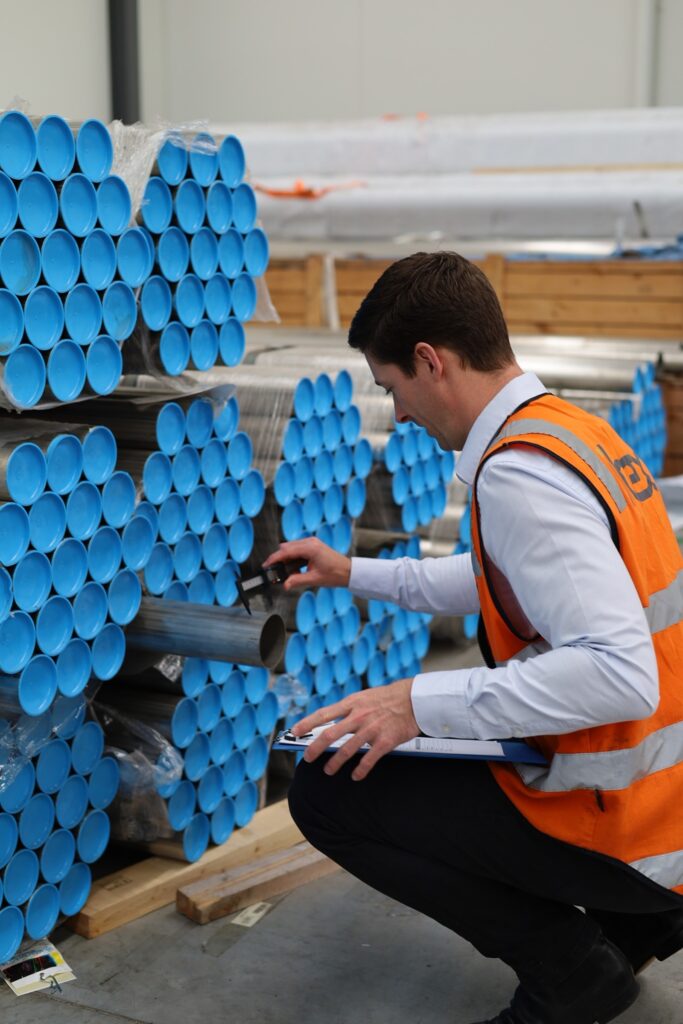
At Ibex, we don’t see transparency as just a formality. It’s the foundation of everything we do. We know what’s at stake when you’re working on critical projects, and how costly it can be when product origin or quality isn’t crystal clear.
That’s why we go beyond just supplying stainless steel fittings. We partner closely with our trusted manufacturers to verify every detail, from the country of origin to material grades and certification compliance. Every product we deliver comes with thorough, traceable guarantee statements that hold up under scrutiny—on site, in the office or during audits.
Ready to make transparency your standard?
We understand that navigating supply chains and compliance documents can be complex. That’s why Ibex is here. Not just to supply dependable fittings but to be a hands-on partner throughout your project.
Whether you need expert advice, detailed product information or help verifying documentation, we’re ready to help you make smart, confident decisions.
Get in touch today and see how our practical, reliable solutions can make your next project smoother and more secure. Because with Ibex, transparency isn’t optional. It’s a guarantee.